Freelance Graphic Design in Sri Lanka: Earn from Print Designs
Five practical ways Sri Lankan freelance designers can earn from print work, with a DTF print-ready file checklist, a design-plus-print quoting example and tips on copyright and approvals.
In this guide 9 sections
- Why print work suits freelance graphic design in Sri Lanka
- Five ways to earn from print designs
- Make your files print-ready
- A worked example: quoting design plus print
- How to price your design time
- Protect yourself: copyright and approvals
- Build a portfolio that wins local work
- Frequently asked questions
- Start with one real project
If you can use Illustrator, Photoshop, CorelDRAW or a free tool such as Inkscape, print design is one of the most practical ways to turn freelance graphic design in Sri Lanka into paid, repeat work. Sports meets, company events, tuition classes, weddings and festivals all need something printed, and the people organising them rarely have a designer on hand.
The designers who do best in this space understand what happens after the file leaves their laptop. They know how a design becomes a DTF transfer on a t-shirt or a sublimation print on a mug, so their files print correctly the first time and clients come back. This guide covers where the work is, how to prepare print-ready files, how to quote with your own numbers, and how to offer “design plus print” without buying a machine.
Why print work suits freelance graphic design in Sri Lanka
Print design has a few advantages over purely digital work such as social media posts:
- The demand is local and recurring. School inter-house events, big-match season, Avurudu celebrations, office outings, dansal volunteer groups and graduation batches come around every year. A club you design for this year may well ask again next year.
- You can start with what you already have. A computer, design software and a phone for WhatsApp are enough to begin. Printing can be outsourced.
- There is a physical product to show. A photo of a real printed t-shirt or mug is far more convincing in a portfolio than a flat mock-up.
- It can grow into a business. Some designers later add a heat press and start selling finished products, which we cover in our guide to starting a t-shirt printing business on a small budget.
Five ways to earn from print designs
1. T-shirt designs for clubs, schools and companies
This is the most common starting point. Clients usually want a front design, a back design with names or a slogan, and sometimes a small logo on the sleeve or chest. You charge for the design, and the client arranges printing, or you handle printing as well (see option 2).
Ask early about the t-shirt colour. A design that looks good on white may disappear on black. DTF printing works on light and dark fabrics, so you are not limited to pale colours, but your artwork still needs enough contrast. If you are new to the method, read What Is DTF Printing? A Complete Guide for Sri Lanka.
2. Design plus print packages
Many small clients do not want to deal with a designer, a printer and a tailor separately. You can offer one package: you design, you order the transfers, and you deliver finished t-shirts. You do not need your own DTF printer for this. You send your artwork to us on WhatsApp, we print the DTF transfers, and you (or a partner with a heat press) press them onto the garments.
Our DTF printing service prints A4 sheets, A3 sheets and metre-length gang sheets, and we also sell 220 GSM premium cotton t-shirt blanks in black, white and several light colours, sizes S to 3XL.
3. Designs for photo mugs and gifts
Gift sellers who press sublimation mugs, photo rocks and glass frames constantly need birthday, anniversary and festival templates. You can design reusable templates (for example, a Mother’s Day mug layout where only the photo and name change) and sell them to several shops, or offer quick personalisation for a fixed fee per order.
Remember that sublimation prints are usually mirrored for mugs and many other items, so confirm with the shop whether they want the file mirrored or will mirror it themselves.
4. Artwork for print shops
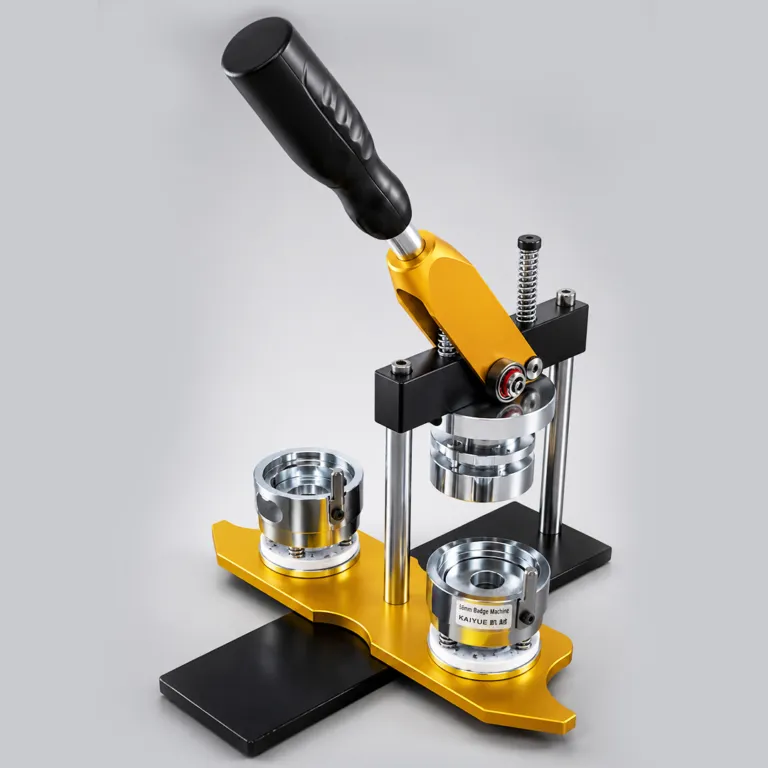
Neighbourhood print shops make button badges, ID cards, visiting cards and laminated notices. Owners who run a badge making machine often need someone to lay out school badges or event badges quickly. Offer them a simple arrangement: they send you jobs, you return print-ready files within an agreed time.
5. International clients on Fiverr and Upwork
Buyers abroad look for t-shirt designs, merchandise graphics and print-ready files. Competition is heavy, so a narrow offer helps, such as “print-ready DTF t-shirt designs with transparent background at 300 DPI”. The file preparation skills in the next section are exactly what these buyers expect.
Make your files print-ready
Most reprints and complaints come from file problems, not printer problems. For DTF transfers, our DTF artwork requirements page sets out what we need. Use this checklist before sending any file:
- Transparent PNG. No white box behind the design. A PDF made from a background-removed PNG is also accepted.
- 300 DPI at actual size. Design at 1:1, the size it will be on the garment. An 8-inch-wide front print should be 2400 pixels wide.
- CMYK colour. Screen colours can look brighter than print. Warn clients about very bright neon shades.
- Fonts converted to outlines. This stops fonts being replaced on another computer.
- No screenshots or low-resolution images. A logo copied from a Facebook page will print blurred. Ask the client for the original file.
- Keep a 0.25″ safe margin around the design.
- Do not mirror DTF artwork. We mirror it when printing.
For a deeper look at what goes wrong, see 9 Artwork Mistakes That Ruin DTF Prints.
A worked example: quoting design plus print
Suppose a cricket club asks you for 30 t-shirts with one full-front design each. Here is how to build the quote. DTF prices below are our published prices at the time of writing; check the DTF printing page for today’s price. Every other line is a figure you fill in from your own quotes.
| Cost line | How to work it out | Amount (LKR) |
|---|---|---|
| DTF transfers | 30 A4 sheets × LKR 240 (bulk price of LKR 200 applies from 51 sheets) | 7,200 |
| Blank t-shirts | 30 × your quote per blank | Your figure |
| Pressing | Your own time, or a partner’s charge | Your figure |
| Design fee | Your hours × your hourly rate, or a fixed package fee | Your figure |
| Delivery | Courier or transport quote | Your figure |
| Allowance for a misprint or wrong size | For example, one or two extra transfers and blanks | Your figure |
| Total cost | Add all lines | Sum |
Add your profit on top of the total cost, not just on top of the design fee. If the club later increases the order to 60 t-shirts, the transfer line becomes 60 × LKR 200 = LKR 12,000 at the bulk rate, so your cost per shirt falls. Our guide on how to price printed t-shirts, mugs and gifts walks through margins in more detail.
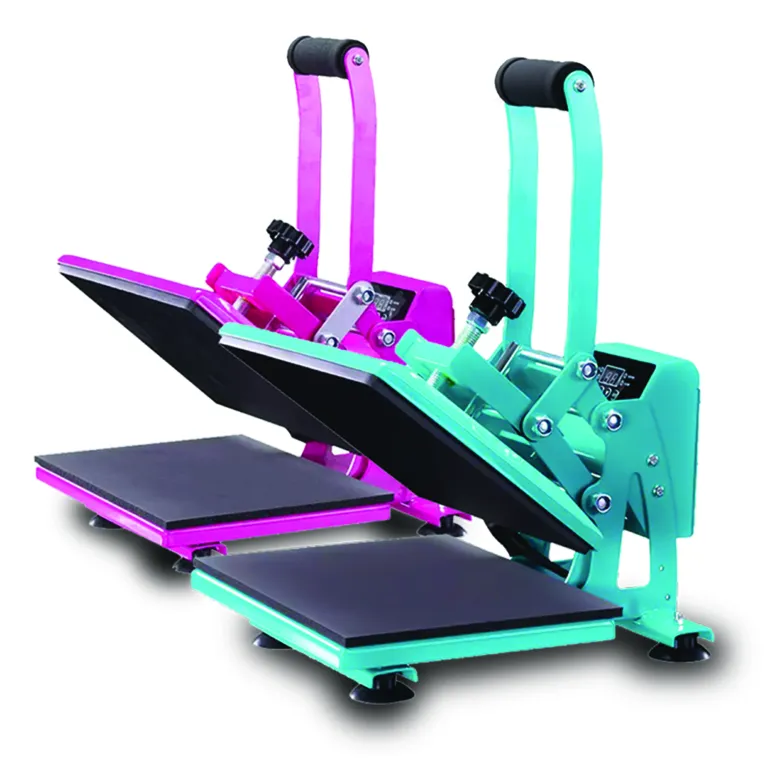
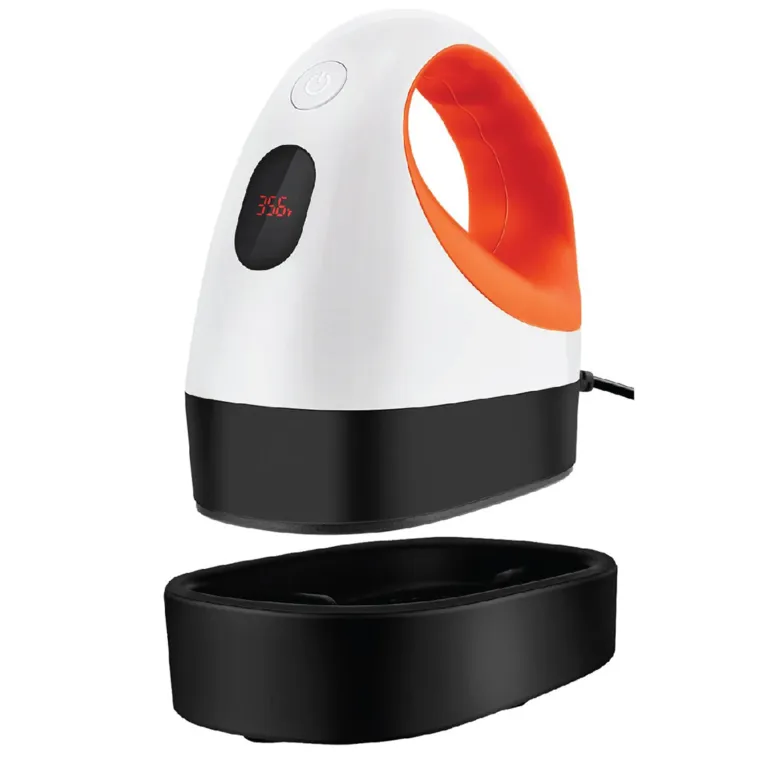
If you press the transfers yourself, the Help Center starting point for cotton is 160 °C for 25 seconds with firm pressure, then let it cool completely before peeling. Test on a spare shirt first.
How to price your design time
We cannot tell you what to charge, because rates depend on your skill, speed and clients. What you can do is calculate a rate that covers your costs:
- Write down your monthly costs for working: software subscriptions, internet, electricity share, phone and equipment wear.
- Decide how much you need to earn for yourself each month.
- Estimate the hours you can realistically bill. Not every working hour is billable, because messaging clients and revisions take time too.
- Divide (costs + earnings) by billable hours. That is your minimum hourly rate.
Then turn it into simple packages clients understand, such as “one front design with two rounds of changes” or “front and back design with a name list”. Clear limits on revisions protect your time. Consider asking for an advance before starting, especially for new clients and bulk orders.
Agree on what the client receives: a print-ready PNG only, or editable source files as well. Many designers charge extra for source files, and it is worth stating this in writing on WhatsApp before you start.
Protect yourself: copyright and approvals
- Do not use logos, cartoon characters, team crests or celebrity photos unless the client has permission to use them. A request to “just put the famous brand logo” can create problems for you and the client.
- Check font and stock image licences. Some free fonts and graphics do not allow commercial use on products for sale.
- Get written approval of the final proof. Send a mock-up showing size and placement, and ask the client to check every name, number and spelling. Orders print from the file you send, and once printing starts, changes cannot be made.
- Keep a size list. For t-shirt orders, collect sizes in a simple table and share our t-shirt size and fit guide with the client.
Build a portfolio that wins local work
Local clients often decide from a few photos on Facebook, Instagram or a WhatsApp Business catalogue. Make yours work harder:
- Show real printed items where possible. Order a sample transfer of your best design and press it, or photograph work clients have already received (with their permission).
- Group work by occasion: sports meets, company events, weddings, festivals. Clients look for “something like ours”.
- Post a short video of a design going from screen to shirt. Our YouTube channel shows how pressing looks, which can help you explain the process.
- Browse our DTF design gallery for an idea of the styles people print.
- If you are building a regular business, check the current requirements for registering a business name with your Divisional Secretariat.
Frequently asked questions
Do I need my own printer to earn from print designs?
No. You can design and send files to a printing service. Print Right prints DTF transfers from artwork sent on WhatsApp, which you or a partner can press onto t-shirts with a heat press.
What file format should I send for DTF printing?
Send a transparent PNG at 300 DPI, designed at actual size in CMYK, with fonts converted to outlines. A PDF made from a background-removed PNG is also accepted. Do not mirror the artwork.
How much should I charge for a t-shirt design?
There is no fixed rate. Work out your monthly costs and the income you need, divide by the hours you can bill, and use that as your minimum. Then package your work with clear revision limits.
Can I use a famous logo or cartoon character on a client’s t-shirt?
Only if the client has permission from the owner. Using protected logos, characters or photos without permission can cause legal problems, so suggest an original design instead.
Start with one real project
The fastest way to learn print design is to see your own file printed. Pick a design, prepare it using the checklist above and send it to us on WhatsApp at 077 762 8679 for a DTF print. You are also welcome to visit our showroom at 382 Galle Road, Colombo 06, to see how transfers are printed and pressed, and to ask for today’s quote on blanks.